THE MOVE & MYTH REVIEW
Death's Door
A tightly composed action adventure whose small reaper, expressive world and deliberate combat make a compact journey feel unusually complete.
Game facts
- Developer
- Acid Nerve
- Publisher
- Devolver Digital
- Released
- 20 July 2021
- Platforms
- Windows (Steam edition)
- Model
- Paid game
- PEGI
- 12 — Steam UK listing
- Players
- Single-player
- Length
- Short
- Difficulty
- 4 / 5 · Challenging
- Edition
- Base game
Edition: Base game
The score, explained
The interest and responsiveness of the core decisions and actions.
How progression, exploration and goals fit together.
The coherence of the visual, musical and narrative presentation.
How clearly the game explains its rules and offers useful ways to engage.
The depth of optional goals, alternative approaches and reasons to return.
Give the small reaper a job
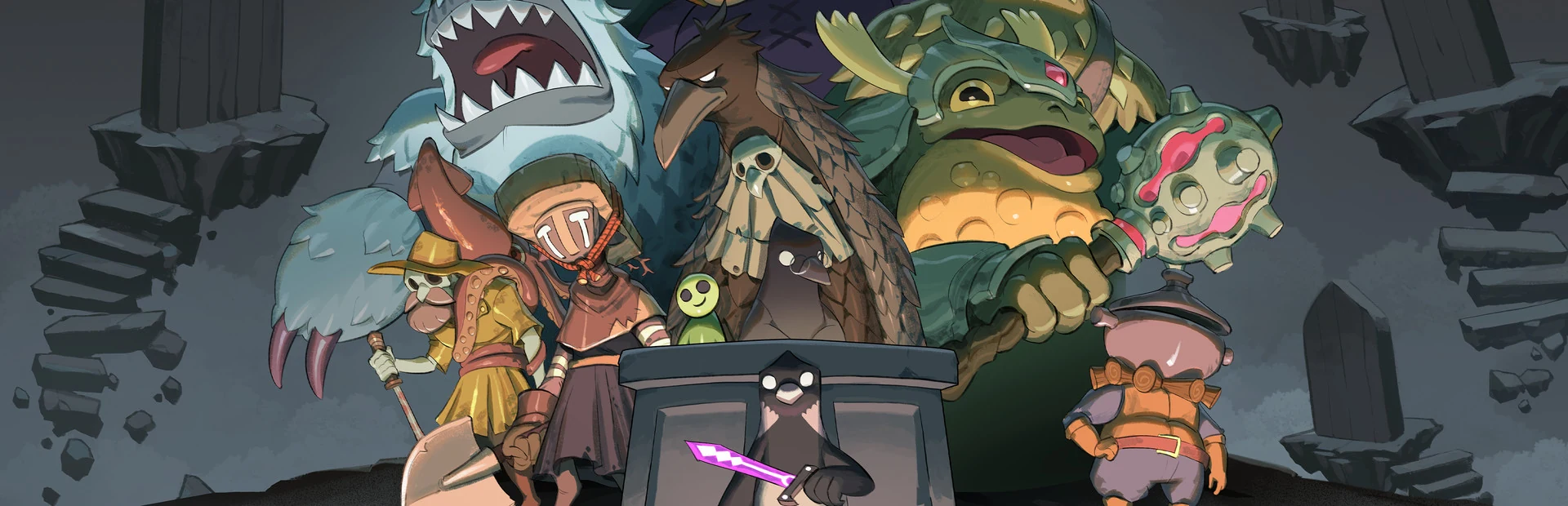
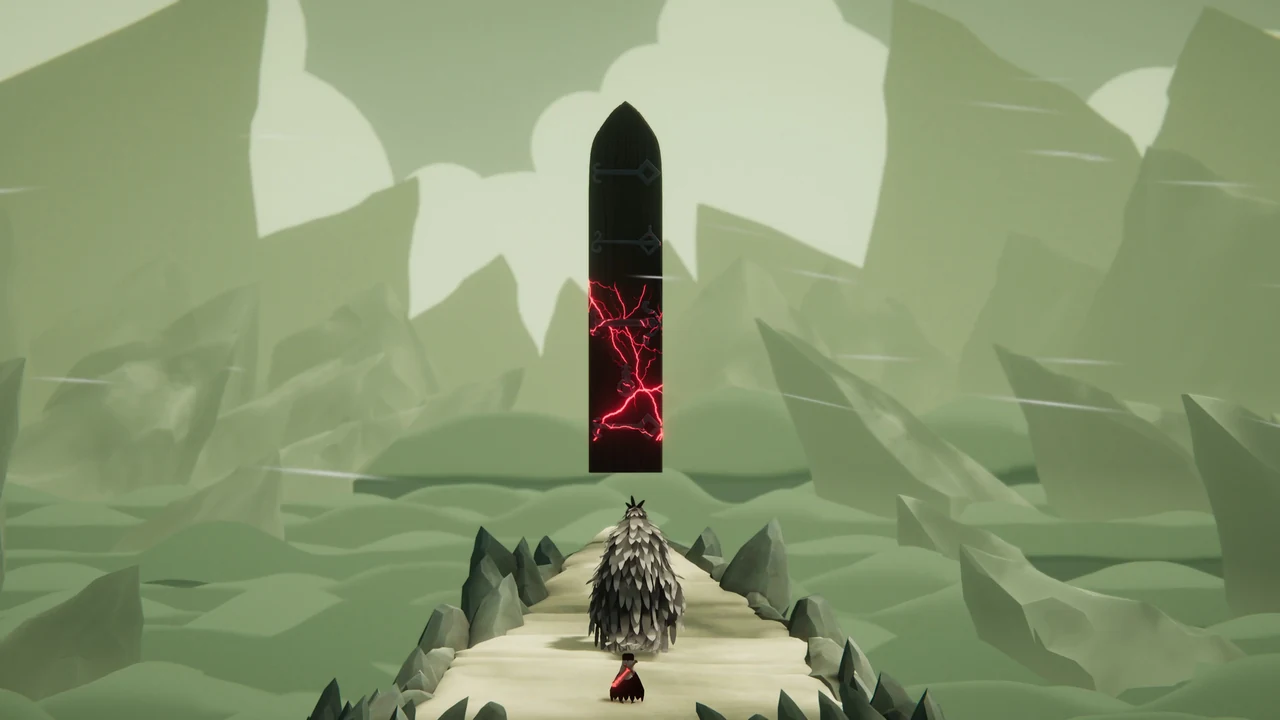
Death's Door begins with the work of collecting souls and follows a small crow into a world where that ordinary assignment becomes more complicated. The premise gives the adventure a useful tone: mortality and bureaucracy sit beside expressive creatures and a landscape that is both inviting and dangerous. Movement, melee attacks and ranged abilities form a compact toolkit, while exploration connects encounters through routes worth remembering. Move & Myth values the sense that the protagonist's job and physical scale belong to the world around it. The crow is not merely an interchangeable hero placed inside attractive scenery. Its movement and vulnerability help establish the character of the journey, making each new region feel like a place to navigate carefully rather than a stage designed only to display another large enemy and its associated reward.
Keep the action readable
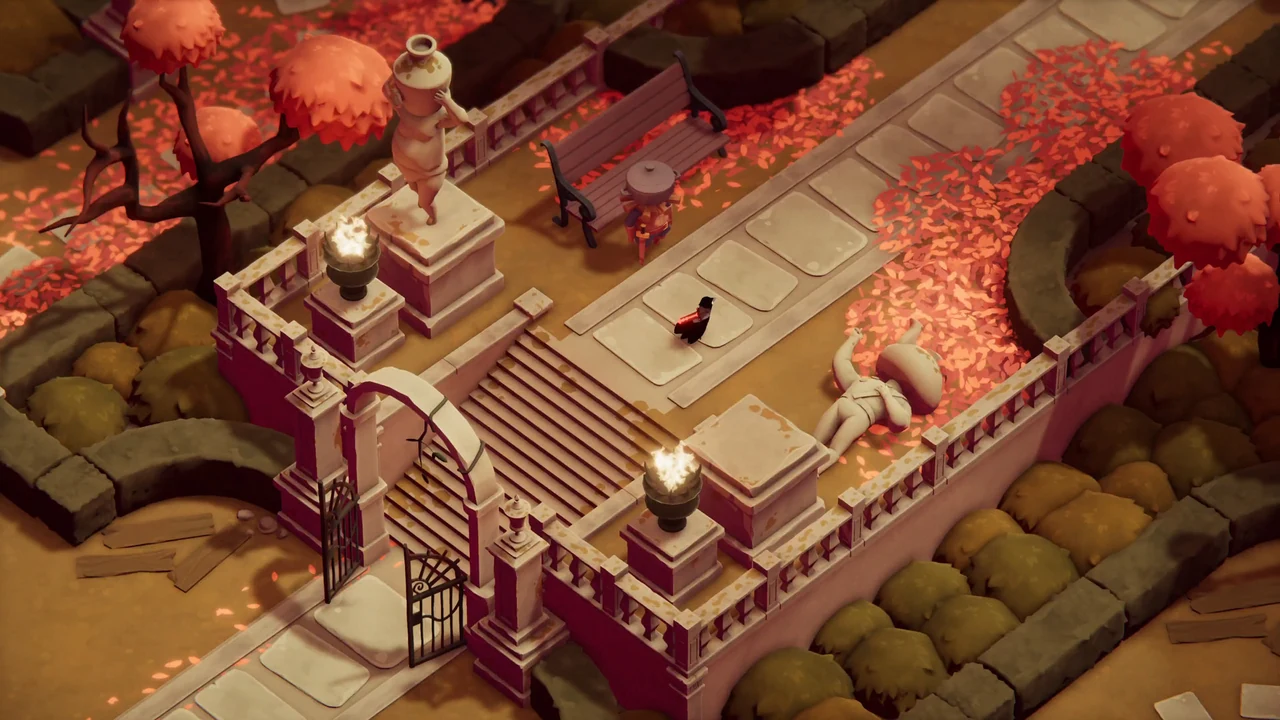
A limited toolkit can create strong action when its uses remain clear. Death's Door gives attacks and evasive movement enough commitment to make spacing matter, while ranged abilities provide additional ways to approach an encounter or interact with the environment. The world then uses those tools to connect combat and exploration rather than separating them into unrelated activities. We rate that economy highly. The player can develop confidence in a manageable set of actions, allowing attention to shift towards how a particular enemy or space changes their value. The tone also helps sustain the journey between fights. Its characters and presentation make the world memorable without requiring lengthy explanation at every turn, so the adventure can remain compact while still giving the crow's practical work a sense of personality, consequence and increasingly unusual purpose.
Compact does not mean effortless
The concentrated structure still contains demanding encounters, and a repeated approach can become frustrating when the player mainly wants another attempt at the difficult part. Its toolkit is intentionally narrower than the broad equipment systems of a large role-playing adventure. That helps the combat remain legible, but it leaves fewer opportunities to completely reinvent a character when the current approach is not working. Some exploration also depends on remembering routes and noticing details rather than following a constant explicit objective marker. These are useful fit considerations alongside the strong presentation. Choose the game because a focused action adventure appeals, not because its small protagonist and appealing art suggest an undemanding journey. The score rewards coherence and proportion, while recognising that the same restraint can feel limiting to someone whose main interest lies in collecting a large variety of builds and abilities.
Make the opening count
Choose Death's Door when you want combat and exploration to support a compact, characterful journey. Watch the recovery after an opponent's attack before committing to your own, and consider whether a ranged option can create a safer opening than moving closer immediately. When travelling, remember where a new ability might change an earlier route. Hollow Knight offers a much broader kingdom to inhabit, while Death's Door provides a more contained itinerary and a clearer sense of proportion between its parts. It suits players who enjoy mastering a modest toolkit and seeing that toolkit used thoughtfully across a memorable world. The pleasure comes from an adventure that knows how much it needs: enough mystery to invite exploration, enough challenge to make movement deliberate and enough character to make the work of the little reaper feel worth following to its conclusion.
The verdict
A tightly composed action adventure whose small reaper, expressive world and deliberate combat make a compact journey feel unusually complete.
Reasons to play
- A clear combat toolkit gives encounters readable demands
- Exploration rewards attention without requiring a sprawling map
- Character and setting give the journey a distinctive tone
Reasons to think twice
- Repeated encounters can test patience near a difficult objective
- Players seeking extensive build variety may find the toolkit narrow
See the game
Assist & accessibility
Explore the available settings and control options on the official game page before choosing your setup.
Parents’ guide
Players: Single-player. Check the current Steam listing for the game, available editions and separately sold downloadable content.
Age classification: 12. Steam UK listing
Official sources
Reviewed: November 2026
You might also like
 Sekiro: Shadows Die Twice - GOTY EditionRead review →
 CelesteRead review →
 SifuRead review →