THE MOVE & MYTH REVIEW
Sifu
A martial-arts campaign that makes the room itself part of the fight, rewarding control of space and a cleaner route through familiar encounters.

Game facts
- Developer
- Sloclap
- Publisher
- Sloclap, Kepler Interactive
- Released
- 28 March 2023
- Platforms
- Windows (Steam edition)
- Model
- Paid game
- PEGI
- 16 · Bad Language, Violence — Steam UK listing
- Players
- Single-player
- Length
- Short
- Difficulty
- 5 / 5 · Demanding
- Edition
- Base game (Steam)
Edition: Base game (Steam)
The score, explained
The interest and responsiveness of the core decisions and actions.
How progression, exploration and goals fit together.
The coherence of the visual, musical and narrative presentation.
How clearly the game explains its rules and offers useful ways to engage.
The depth of optional goals, alternative approaches and reasons to return.
The room is an opponent
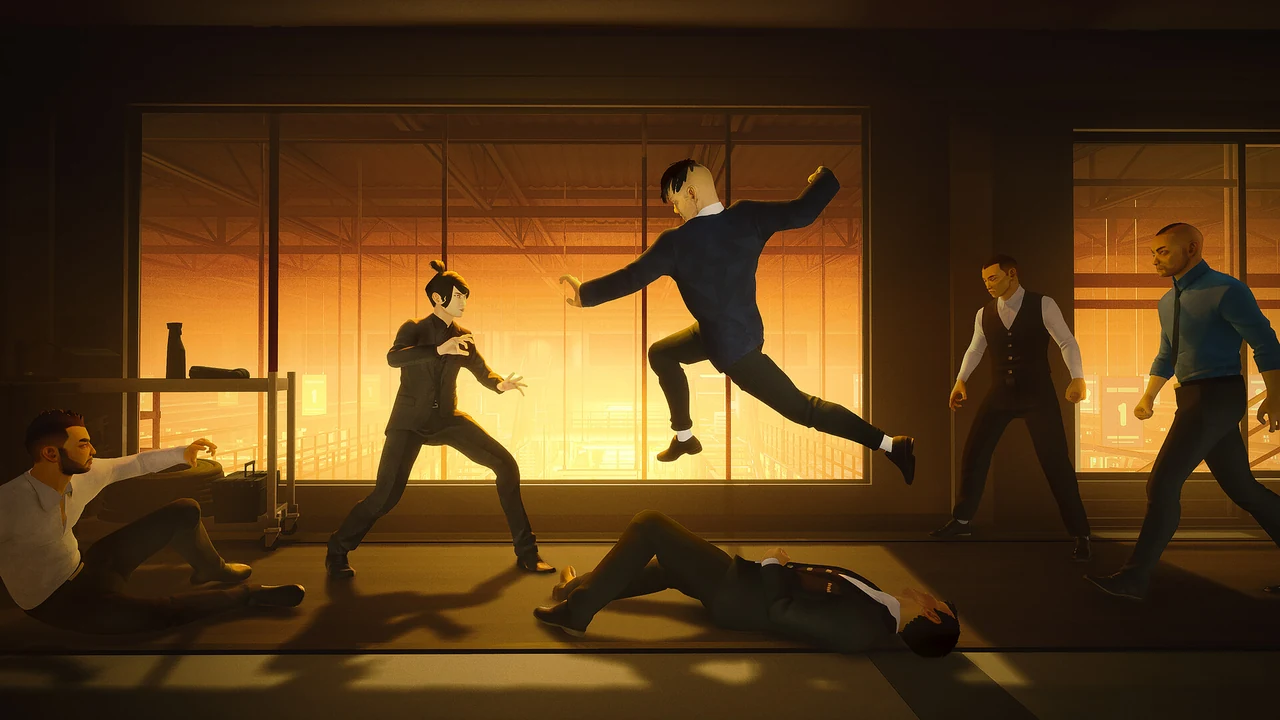
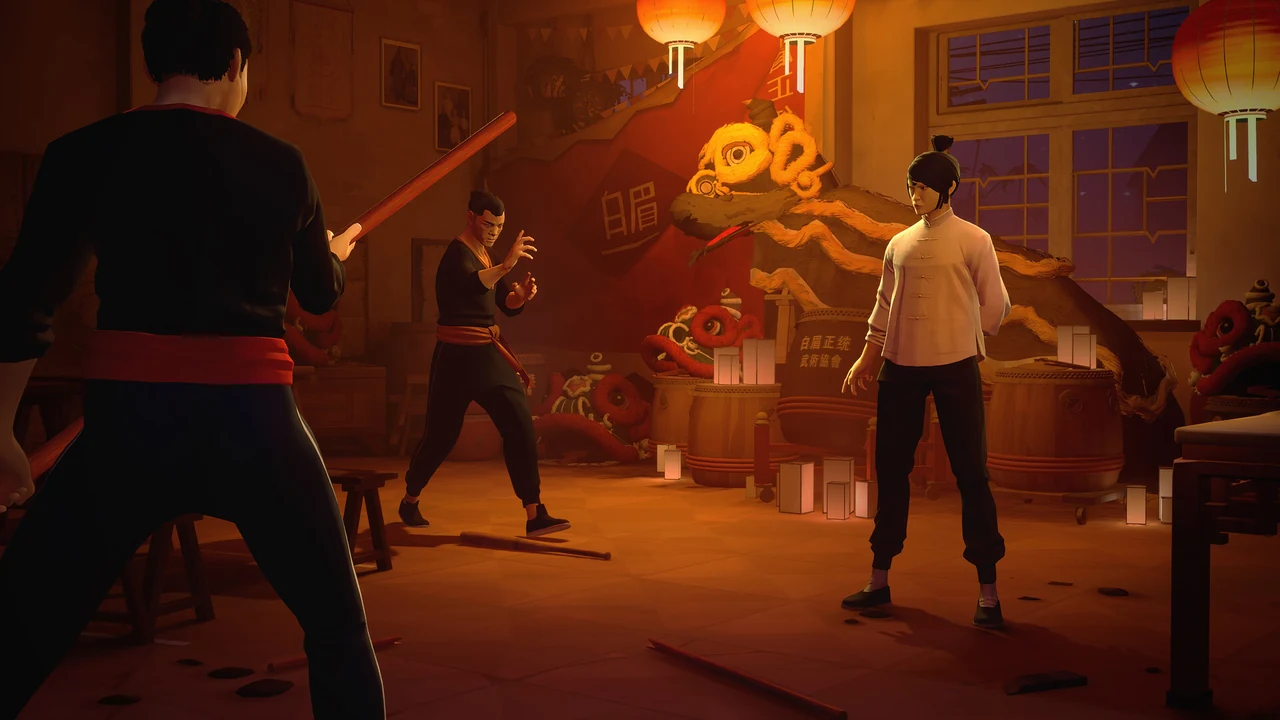
Sifu's martial-arts action takes place in rooms where several people, obstacles and objects can influence the next exchange. That makes the environment more than scenery for a sequence of attack combinations. A doorway can limit pressure, a weapon can change reach and an awkward position can allow several threats to become active at once. The ageing system connects defeat to the condition in which the protagonist reaches later stages, giving repeated routes a practical purpose. Move & Myth values how those ideas make the character's journey feel physical. Success is not only surviving the current group. It is learning to move through the location with more control, so that the next confrontation begins from a better position and the campaign gradually reflects a more deliberate performance of the same martial language.
Choreography grows from decisions
The strongest action sequences emerge when positioning, defence and environmental use support one another. A useful response can create space for a counter, and that counter can change which opponent becomes the next immediate problem. The animation makes these transitions forceful, but the player still has to choose the relationships that allow them to happen. We value that balance between cinematic presentation and practical responsibility. Sifu does not need every encounter to introduce a new move to feel different; a changed room or group can alter the value of familiar actions. The ageing structure then gives refinement a wider consequence. A cleaner stage is not merely a private aesthetic achievement. It changes the resources and opportunities carried forward, making improved choreography part of the campaign's actual progression rather than a separate performance pursued only after the story is finished.
Rehearsal can slow the journey
Revisiting stages is central to Sifu's design. A player who chiefly wants to move continuously through new locations may find the need to improve earlier outcomes frustrating. The defensive vocabulary also asks for attention before crowded fights become reliably readable. An intuitive response is not always the appropriate one, and repeating the same mistake without understanding that distinction can make a room feel more chaotic than it needs to be. Difficulty options help adjust the demands, but the underlying interest in practice remains. The Short band describes a concentrated campaign, not a guarantee that its route will be completed in one smooth pass. Choose it when familiarity itself can become rewarding, and when returning to a scene with better control sounds like an appealing way to spend time rather than a delay before the real adventure continues.
Enter with a spatial plan
Choose Sifu if you like action that becomes more convincing as it becomes more controlled. Before attacking a group, notice which direction offers space and which objects or narrow routes can change how the opponents approach. Learning one useful defensive response may improve the entire room more than adding another elaborate combination. Sekiro offers a similarly focused identity through swordplay and stealth, while Sifu gives crowd management and environmental choreography greater prominence. It suits players who enjoy seeing a familiar scene acquire a different rhythm as their decisions improve. The aim need not be a flawless performance. A route with fewer panicked movements, a better opening position or a clearer understanding of one dangerous opponent can already show that the room has become a place you know how to inhabit more deliberately.
The verdict
A martial-arts campaign that makes the room itself part of the fight, rewarding control of space and a cleaner route through familiar encounters.
Reasons to play
- Environmental opportunities give combat a physical setting
- Ageing makes improved stage outcomes useful
- Crowd encounters reward deliberate positioning
Reasons to think twice
- Repeated stages are a substantial part of the structure
- Defensive distinctions require careful learning
See the game
Assist & accessibility
Explore the available settings and control options on the official game page before choosing your setup.
Parents’ guide
Players: Single-player. No in-game purchase marker in the checked Steam listing. Separate downloadable content may be sold.
Age classification: 16. Bad Language · Violence Steam UK listing
Official sources
Reviewed: November 2026
You might also like
 Sekiro: Shadows Die Twice - GOTY EditionRead review →
 CelesteRead review →
 HadesRead review →