THE MOVE & MYTH REVIEW
Hades
A fast, characterful escape game in which changing combat combinations and returning conversations make repeated attempts feel like part of one continuing story.
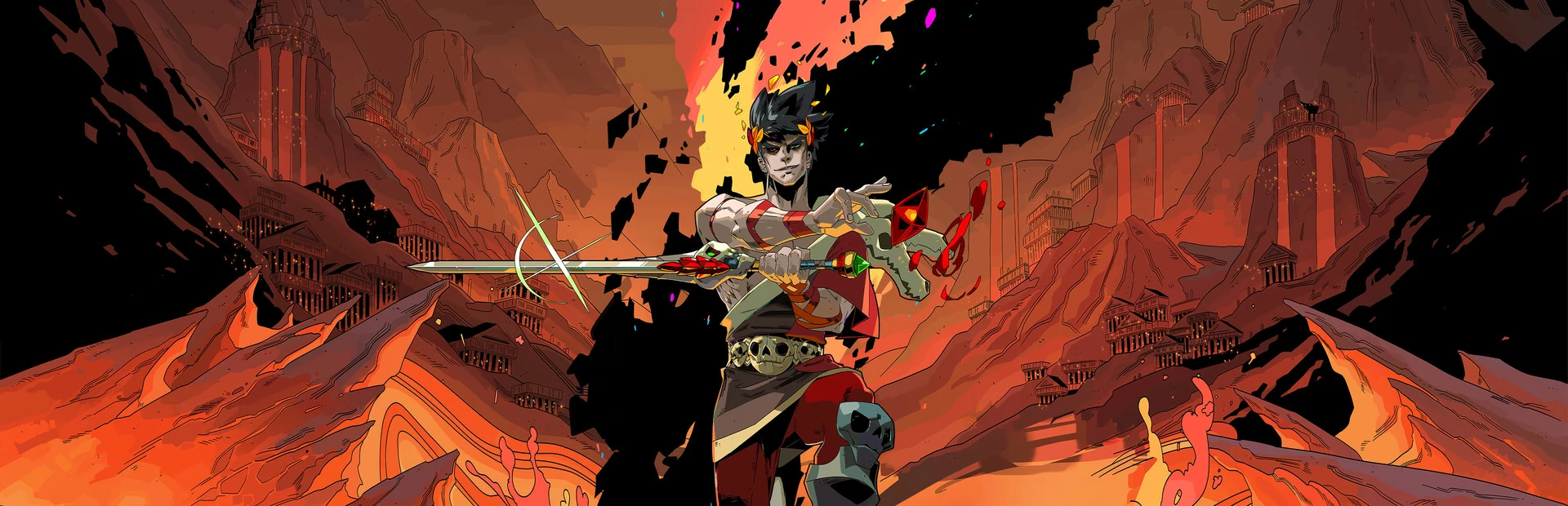
Game facts
- Developer
- Supergiant Games
- Publisher
- Supergiant Games
- Released
- 17 September 2020
- Platforms
- Windows · macOS (Steam edition)
- Model
- Paid game
- PEGI
- 12 — Nintendo Switch edition; not a separate PC classification
- Players
- Single-player
- Length
- Medium
- Difficulty
- 4 / 5 · Challenging
- Edition
- Base game
Edition: Base game
The score, explained
The interest and responsiveness of the core decisions and actions.
How progression, exploration and goals fit together.
The coherence of the visual, musical and narrative presentation.
How clearly the game explains its rules and offers useful ways to engage.
The depth of optional goals, alternative approaches and reasons to return.
Escape with a different rhythm
Hades gives Zagreus a clear objective and repeatedly changes the practical means of pursuing it. A weapon establishes how he moves through a fight, while Olympian boons can redirect which actions deserve attention during the current escape attempt. Room rewards then turn progression into a sequence of decisions about the emerging build. Move & Myth values the way that mechanical variation belongs to a continuing personal story. Returning to the House is not treated as a narrative embarrassment that the game must ignore. Characters and relationships make the return meaningful, allowing an unsuccessful escape to contribute something beyond another lesson in combat. The result is a game whose repetition has two connected rhythms: the changing physical identity of a run and the ongoing life of a place that recognises the person who keeps coming back.
Let the build alter the performance
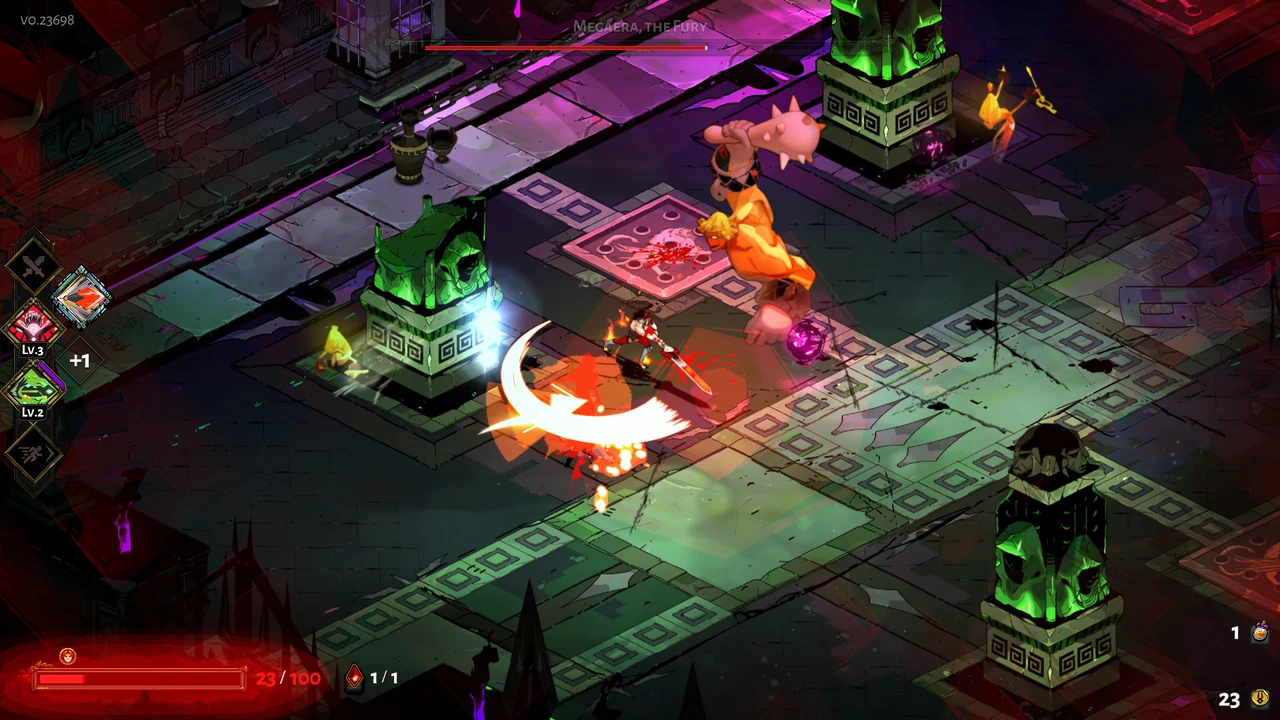
A useful boon does more than increase damage. It can make a particular action the centre of the run, changing how often Zagreus closes distance, commits to an attack or uses a supporting technique. Different weapons provide a strong foundation for those changes, so experimentation can be felt immediately in movement and timing. The cast and presentation then give each reward a personality beyond its mechanical description. We rate that connection highly. The mythology is not only a source of names for upgrades; it gives the temporary build a social and dramatic texture. Meanwhile, the House turns the end of an attempt into another scene rather than a blank reset. That continuity broadens the meaning of progress, allowing a session to matter because a combat idea became clearer or a relationship moved forward, even when the escape itself remains unfinished.
Variation still has a familiar route
Changing rewards do not remove the repeated regions and major encounters that define the escape. Players who need a new location every time they play may find the structure too recognisable, even when the build behaves differently. Visual effects can also become busy when several powers activate together, especially before enemy signals are familiar. The story advances through returns rather than unfolding as one uninterrupted campaign, so patience with that rhythm is important. God Mode provides an assistance option, but it does not change the central relationship between repeated attempts and gradual development. Choose Hades because that relationship sounds attractive. Its strong score recognises the coherence of the whole design, not an ability to make repetition disappear for someone who dislikes revisiting familiar spaces regardless of the rewards and conversations that have changed around them.
Give the run an identity
Choose Hades when you want a game to offer a new combat idea without asking you to abandon an ongoing cast and story. Early in a run, notice which weapon action and reward combination already work well together, then make later choices support that identity. A coherent style is easier to adapt under pressure than several attractive effects competing for attention. Furi offers a more concentrated sequence of fixed duels, while Hades lets the ingredients of the next attempt reshape the experience. It suits a player who enjoys improvisation within a familiar structure and who finds character relationships a useful reason to return. The best escape attempt is not necessarily the one imagined before starting, but the one whose available powers become a recognisable way of moving through the Underworld and responding to what it presents.
The verdict
A fast, characterful escape game in which changing combat combinations and returning conversations make repeated attempts feel like part of one continuing story.
Reasons to play
- Weapons and boons create expressive fighting styles
- The cast gives returning to the House narrative value
- Room rewards make adaptation part of the action
Reasons to think twice
- Familiar regions remain a repeated commitment
- Dense effects can complicate the reading of combat
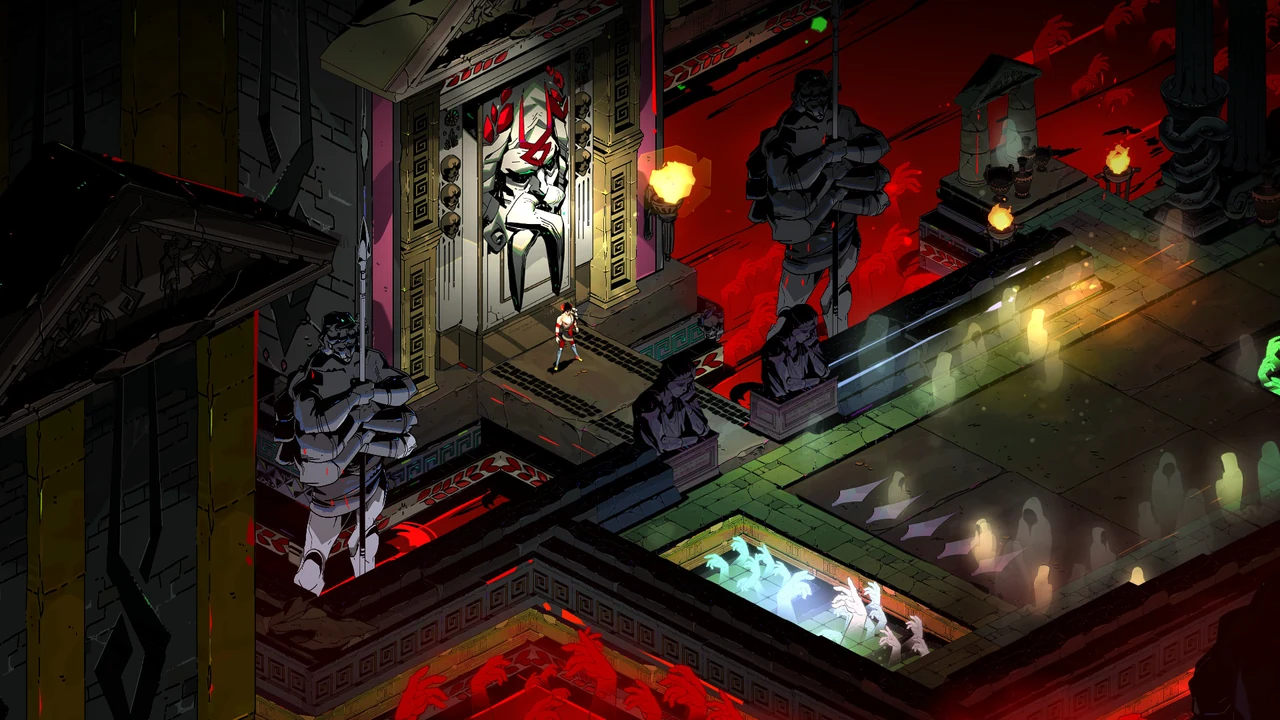
See the game
Assist & accessibility
Parents’ guide
Players: Single-player. Check the current Steam listing for the base game and any separately sold downloadable content.
Age classification: 12. Nintendo Switch edition; not a separate PC classification
Official sources
Reviewed: November 2026
You might also like
 Sekiro: Shadows Die Twice - GOTY EditionRead review →
 CelesteRead review →
 SifuRead review →