THE MOVE & MYTH REVIEW
Hollow Knight
A vast-feeling underground adventure whose movement, combat and geography make the kingdom gradually become familiar without losing its sense of mystery.

Game facts
- Developer
- Team Cherry
- Publisher
- Team Cherry
- Released
- 24 February 2017
- Platforms
- Windows · macOS · Linux (Steam edition)
- Model
- Paid game
- PEGI
- 7 — Nintendo Switch edition; not a separate PC classification
- Players
- Single-player
- Length
- Long
- Difficulty
- 4 / 5 · Demanding
- Edition
- Base game (Steam)
Edition: Base game (Steam)
The score, explained
The interest and responsiveness of the core decisions and actions.
How progression, exploration and goals fit together.
The coherence of the visual, musical and narrative presentation.
How clearly the game explains its rules and offers useful ways to engage.
The depth of optional goals, alternative approaches and reasons to return.
Learn the shape of a kingdom
Hollow Knight sends a small traveller into Hallownest, where the map becomes meaningful through repeated movement across connected regions. A bench, a shortcut or a newly reachable passage can change how secure an area feels, even before its enemies become easier to fight. Move & Myth values that connection between physical familiarity and atmosphere. The kingdom is not only described as a place with a past; it becomes a place the player remembers through routes, landmarks and difficult crossings. Combat and traversal develop together, so understanding an encounter and understanding the way back from it are related kinds of progress. The story remains indirect, but the world gains substance through the practical knowledge accumulated while moving through it, making a later return to an earlier region feel different from simply replaying an old level.
Make the return worthwhile
Exploration is strongest when an acquired ability changes several earlier possibilities. Hollow Knight uses that principle to keep the kingdom connected in the player's mind, allowing a previously frustrating gap or inaccessible ledge to become an invitation later. Charms add another layer of preparation by changing what the character emphasises within a limited equipment budget. The relationship between health recovery and offensive resources also gives fights a useful tension. We rate the overall coherence highly. The game lets movement, combat and exploration contribute to one another without making them interchangeable. A new route may offer a practical advantage, but it can also deepen the sense of place. Progress therefore has several forms: a cleaner fight, a more useful map connection or the recognition that a region once approached cautiously has become a familiar part of a larger journey.
The map asks for patience
The freedom to explore can produce stretches where the next useful direction is unclear. Retracing routes and returning to difficult encounters may feel like an atmospheric journey to one player and unnecessary delay to another. The map and recovery systems add friction that should be understood as part of the experience, not ignored because the kingdom is beautifully realised. Optional combat challenges also extend well beyond the demands of the main path. Its Long band reflects that breadth, but it should not become a reason to treat every hidden encounter as compulsory. Choose Hollow Knight when learning a connected world is itself rewarding. If the main pleasure you want is a clearly marked sequence of isolated action tests, the surrounding navigation may repeatedly interrupt the activity you hoped the game would provide more directly.
Remember a place, not only an objective
Choose Hollow Knight if you enjoy carrying a mental map between sessions. An inaccessible branch, an unfinished region or a route made easier by a new movement ability can provide a useful starting point without needing the whole kingdom to be planned in advance. When a fight becomes stubborn, another discovery may offer a practical improvement or simply a different rhythm for a while. Death's Door gives exploration and combat a more compact structure, while Hollow Knight allows the world to occupy more of the relationship. It suits players who want a place to become familiar through use and who find atmosphere meaningful even before every narrative detail is understood. The reward is often the feeling that you now know how to move through a complicated kingdom with more confidence, while still suspecting that its edges contain something worth returning for.
The verdict
A vast-feeling underground adventure whose movement, combat and geography make the kingdom gradually become familiar without losing its sense of mystery.
Reasons to play
- New traversal abilities reshape earlier routes
- Distinct regions give exploration a strong identity
- Charms provide useful flexibility within a clear combat language
Reasons to think twice
- Navigation can slow the desired pace
- Some difficult encounters require repeated approaches
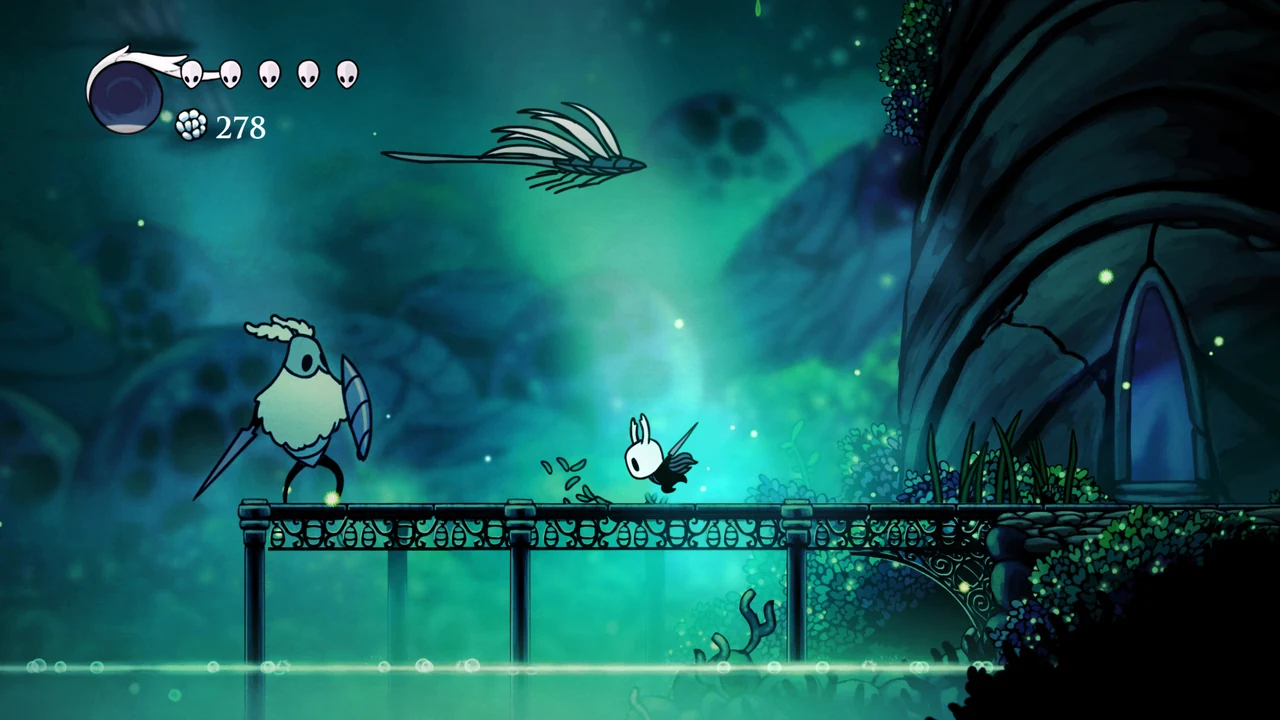
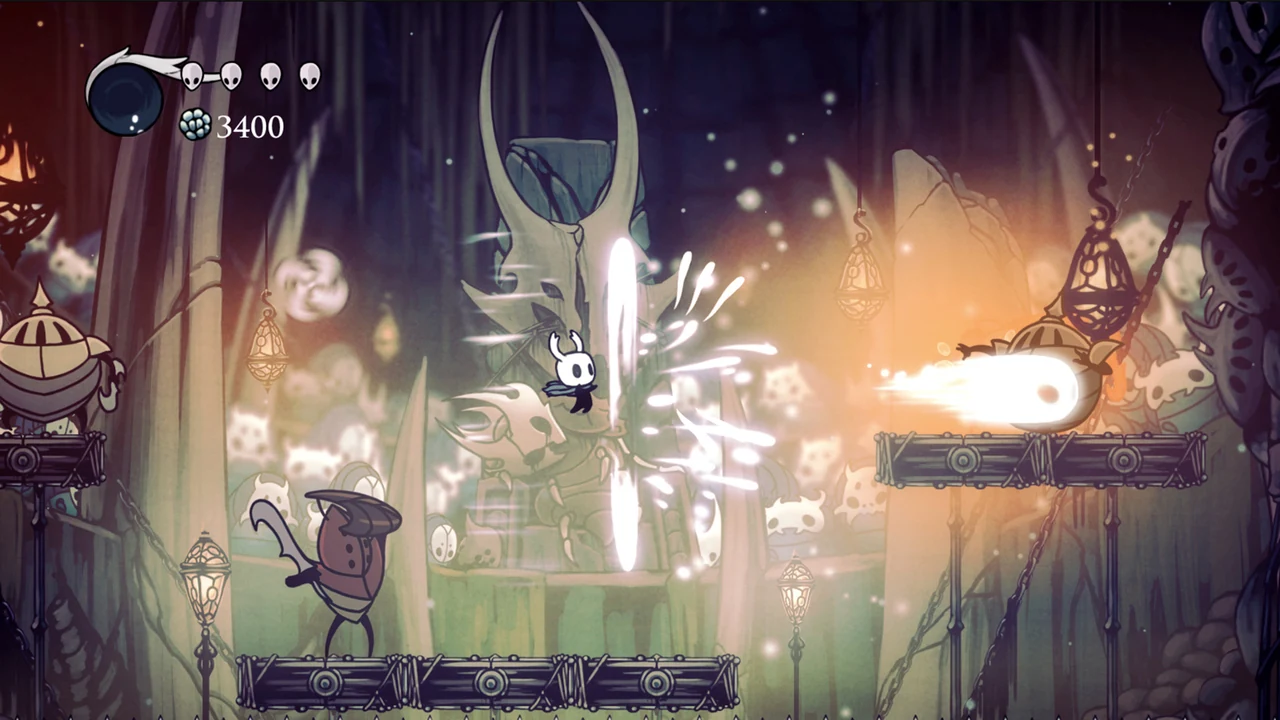
See the game
Assist & accessibility
Explore the available settings and control options on the official game page before choosing your setup.
Parents’ guide
Players: Single-player. No in-game purchase marker in the checked Steam listing. Separate downloadable content may be sold.
Age classification: 7. Nintendo Switch edition; not a separate PC classification
Official sources
Reviewed: November 2026
You might also like
 Sekiro: Shadows Die Twice - GOTY EditionRead review →
 CelesteRead review →
 SifuRead review →