THE MOVE & MYTH REVIEW
Ori and the Will of the Wisps
A fluid, visually expressive adventure whose movement makes the landscape feel like a continuous invitation rather than a collection of separate obstacles.

Game facts
- Developer
- Moon Studios GmbH
- Publisher
- Xbox Game Studios
- Released
- 11 March 2020
- Platforms
- Windows (Steam edition)
- Model
- Paid game
- PEGI
- 7 · Fear, Violence — Steam UK listing
- Players
- Single-player
- Length
- Medium
- Difficulty
- 3 / 5 · Movement precision and combat; ability learning shapes progress
- Edition
- Base game
Edition: Base game
The score, explained
The interest and responsiveness of the core decisions and actions.
How progression, exploration and goals fit together.
The coherence of the visual, musical and narrative presentation.
How clearly the game explains its rules and offers useful ways to engage.
The depth of optional goals, alternative approaches and reasons to return.
Let the landscape carry you
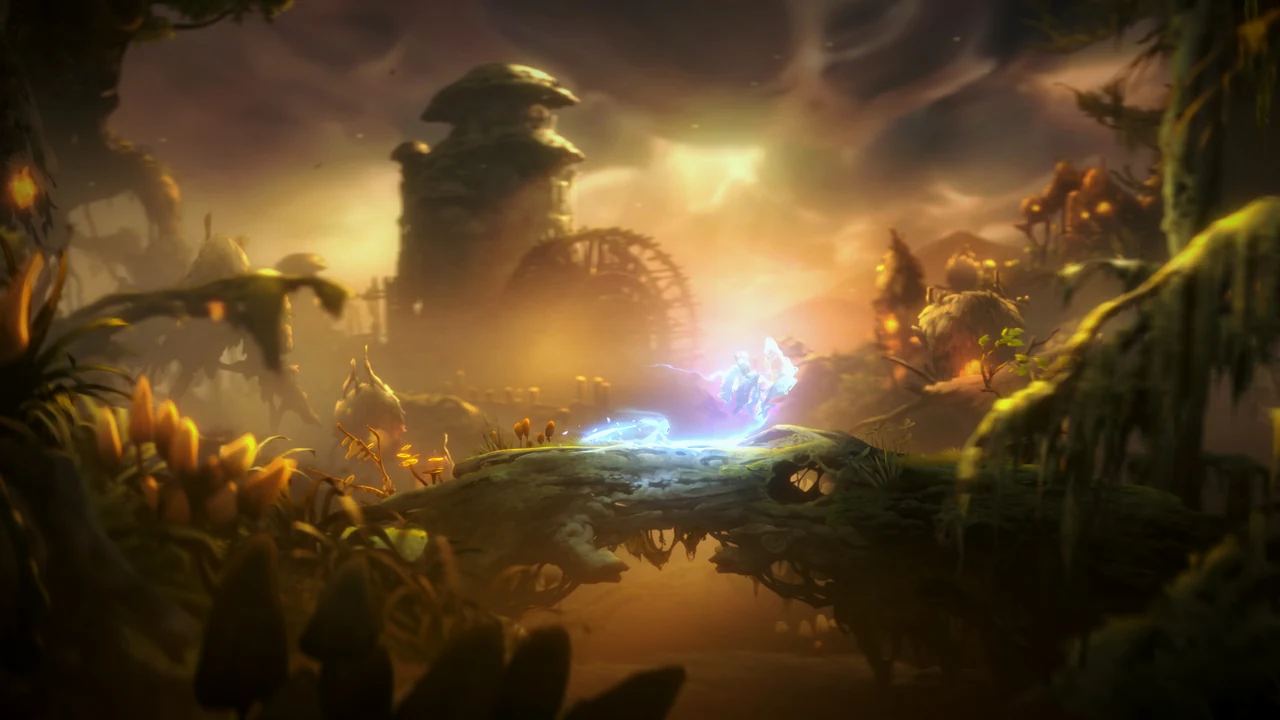
Ori and the Will of the Wisps builds an adventure around the pleasure of moving through a living, changing landscape. Abilities alter how Ori crosses gaps, uses environmental features and connects one surface to another, making exploration feel increasingly fluent as the toolkit develops. Combat adds further demands, but the distinctive attraction is the relationship between movement and place. Move & Myth values the way the world appears to offer possibilities before the player can fully use them. A distant route can become an intention, then later become part of a continuous journey once the necessary ability is understood. The visual and musical presentation gives that practical progression emotional weight, so learning to travel through the environment can feel like becoming more at home in it rather than simply acquiring permission to open the next locked passage.
Flow comes from useful choices
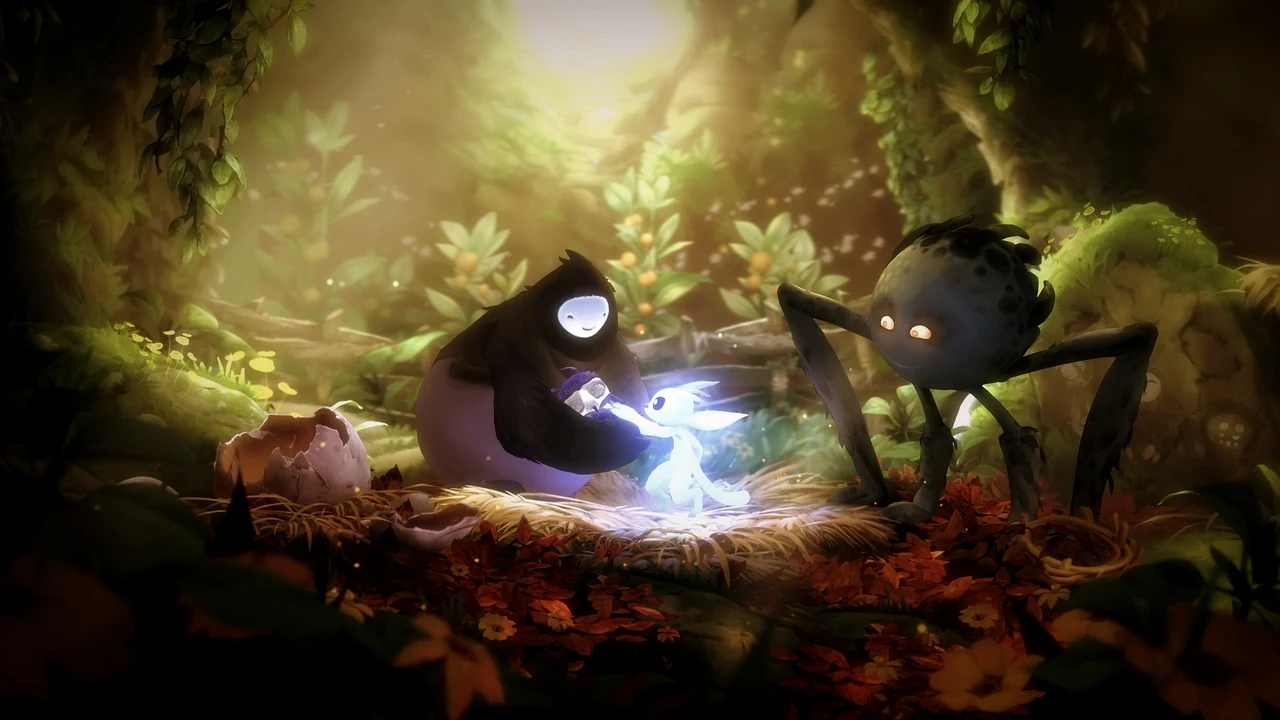
Fluid movement is compelling when it remains something the player creates. Ori's abilities provide different ways to continue a route, recover position or turn a feature of the environment into momentum. The world then arranges those possibilities into sequences that reward a growing understanding of how the actions connect. We rate that relationship highly. The pleasure is not merely watching a beautiful character move smoothly; it is recognising why a particular ability belongs at a particular moment and feeling the route become more coherent as a result. Combat and exploration add variety without erasing that central identity. The presentation also makes discoveries memorable, giving different areas a strong sensory character. A new route can therefore be attractive both because it expands the practical map and because it promises another place worth seeing in motion.
Beauty can make the screen busy
The richly layered presentation sometimes competes with the immediate task of reading hazards, enemies or the next useful surface. Players who prefer a very sparse visual field may find that density less comfortable than the game's graceful movement suggests. Combat and demanding traversal sequences can also interrupt the more relaxed pleasure of exploring, so this is not simply an atmospheric walk through attractive scenery. The growing collection of abilities asks for some familiarity before the full movement language feels natural. Choose it with those demands in mind. Its strongest appeal lies in the combination of action, exploration and audiovisual expression, and a player who wants only one of those elements may find the others intrusive. The score recognises how well the whole adventure holds together, while leaving room for the fact that its most elaborate moments can require careful attention rather than effortless flow.
Connect the route in your head
Choose Ori and the Will of the Wisps when you want movement to make a world more inviting as your abilities expand. Before crossing a difficult stretch, identify which feature can support the next action and where a safe transition will give you room to continue. The aim is not constant speed, but a route whose changes of direction have a purpose. Celeste offers tighter, more isolated movement problems, while Ori allows the landscape to sustain a broader sense of travel. It suits players who enjoy revisiting a place and discovering that it now supports a more expressive path through it. The story and presentation provide reasons to care about the world, but the lasting pleasure often comes from a simpler recognition: the environment that once stopped you has become something you know how to move with.
The verdict
A fluid, visually expressive adventure whose movement makes the landscape feel like a continuous invitation rather than a collection of separate obstacles.
Reasons to play
- Traversal abilities create an elegant sense of flow
- The world gives movement a strong emotional setting
- Combat and exploration offer varied reasons to use the toolkit
Reasons to think twice
- Busy presentation can compete with practical information
- Some encounters interrupt the otherwise graceful rhythm
See the game
Assist & accessibility
Explore the available settings and control options on the official game page before choosing your setup.
Parents’ guide
Players: Single-player. Check the current Steam listing for the game, available editions and separately sold downloadable content.
Age classification: 7. Fear · Violence Steam UK listing
Official sources
Reviewed: November 2026
You might also like
 Sekiro: Shadows Die Twice - GOTY EditionRead review →
 CelesteRead review →
 SifuRead review →