THE MOVE & MYTH REVIEW
TUNIC
A deceptively familiar adventure whose physical routes and unreadable manual gradually reveal that knowing how to move is only part of knowing the world.
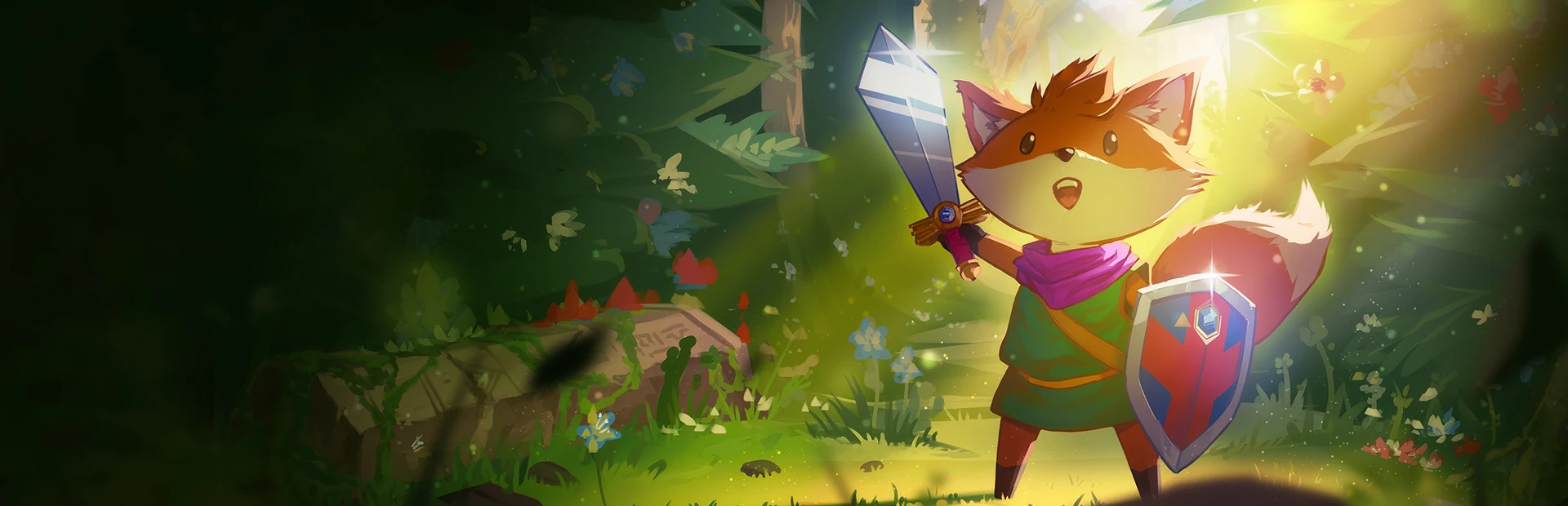
Game facts
- Developer
- TUNIC Team
- Publisher
- Finji
- Released
- 16 March 2022
- Platforms
- Windows · macOS (Steam edition)
- Model
- Paid game
- PEGI
- 7 — Nintendo Switch download edition edition; not a separate PC classification
- Players
- Single-player
- Length
- Medium
- Difficulty
- 4 / 5 · Challenging
- Edition
- Base game
Edition: Base game
The score, explained
The interest and responsiveness of the core decisions and actions.
How progression, exploration and goals fit together.
The coherence of the visual, musical and narrative presentation.
How clearly the game explains its rules and offers useful ways to engage.
The depth of optional goals, alternative approaches and reasons to return.
Carry a sword and a question
TUNIC gives its fox protagonist the outline of a familiar action adventure: a weapon, a dangerous landscape and routes that appear to promise hidden discoveries. The instruction manual complicates that familiarity. Pages recovered during exploration contain information that is partly legible through pictures and partly resistant to immediate understanding. Move & Myth values the tension between those two forms of participation. The player can learn how to survive an encounter while still being uncertain about the larger rules governing the place. A physical route may therefore acquire another meaning later, after a page or observation changes what it seems possible to do there. The adventure's mythic quality grows from that gap between competence and understanding, making the world feel as though it has been operating according to a fuller set of instructions than the player initially possessed.
Knowledge changes the choreography
A new understanding can alter the way an earlier space is approached without changing the character's visible equipment. That is one of TUNIC's strongest ideas. The manual and the environment keep informing one another, allowing a diagram or repeated mark to become practical information rather than decorative lore. Combat gives the exploration a degree of risk, while concealed routes make careful attention useful even in places that seemed already understood. We rate this layering highly because it makes the player's growing knowledge feel active. Discovery is not only the arrival at another chest. It can be the recognition that an old scene now supports a different action or route. The game therefore gives movement a second kind of progression: the fox becomes more capable through tools, but the person guiding it becomes more capable by learning how to read the world.
Familiarity is partly a disguise
The inviting appearance and recognisable adventure structure can conceal how much uncertainty the game expects the player to tolerate. A page may remain puzzling, a route may be difficult to identify and a combat encounter may interrupt the desire to examine a promising clue. Assistance options are useful if those action demands obscure the investigative pleasure. The deeper layers of discovery also ask for patient interpretation rather than simply completing the next visible objective. Choose it with that appetite in mind. TUNIC is not always trying to make its purpose immediately clear, and that can feel either intriguing or unnecessarily withholding. The score recognises a deliberate relationship between mystery and play, while leaving room for players who would prefer the rules to be fully explained before they are asked to commit to a difficult action within them.
Revisit with a different reading
Choose TUNIC if you enjoy an adventure whose most important upgrade can be a changed assumption. When a manual page starts to make sense, consider which familiar places it might reinterpret rather than only which new place it appears to describe. The route back can contain a discovery precisely because the scenery has not changed but your understanding has. Hollow Knight offers a larger exploration journey with a different balance of navigation and combat, while TUNIC makes the manual a distinctive partner in learning the world. It suits players who enjoy making connections across separate observations and who are comfortable leaving a question open long enough for another part of the adventure to answer it indirectly. The fox's journey becomes memorable when a confident movement is finally matched by a more complete understanding of why that movement was possible all along.
The verdict
A deceptively familiar adventure whose physical routes and unreadable manual gradually reveal that knowing how to move is only part of knowing the world.
Reasons to play
- Exploration rewards changes in understanding as well as ability
- Manual pages give information a memorable physical form
- Combat lends consequence to discovering unfamiliar spaces
Reasons to think twice
- Deliberate obscurity can stall progress
- Action challenges may compete with the desire to investigate
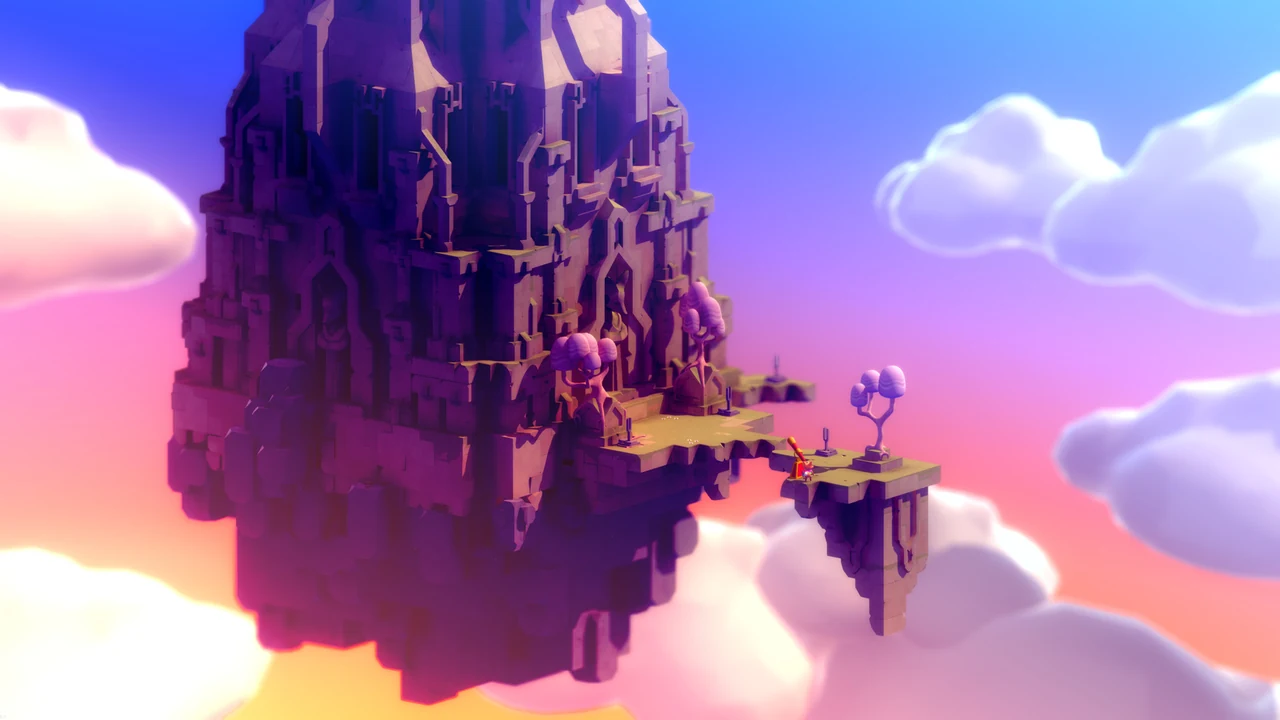
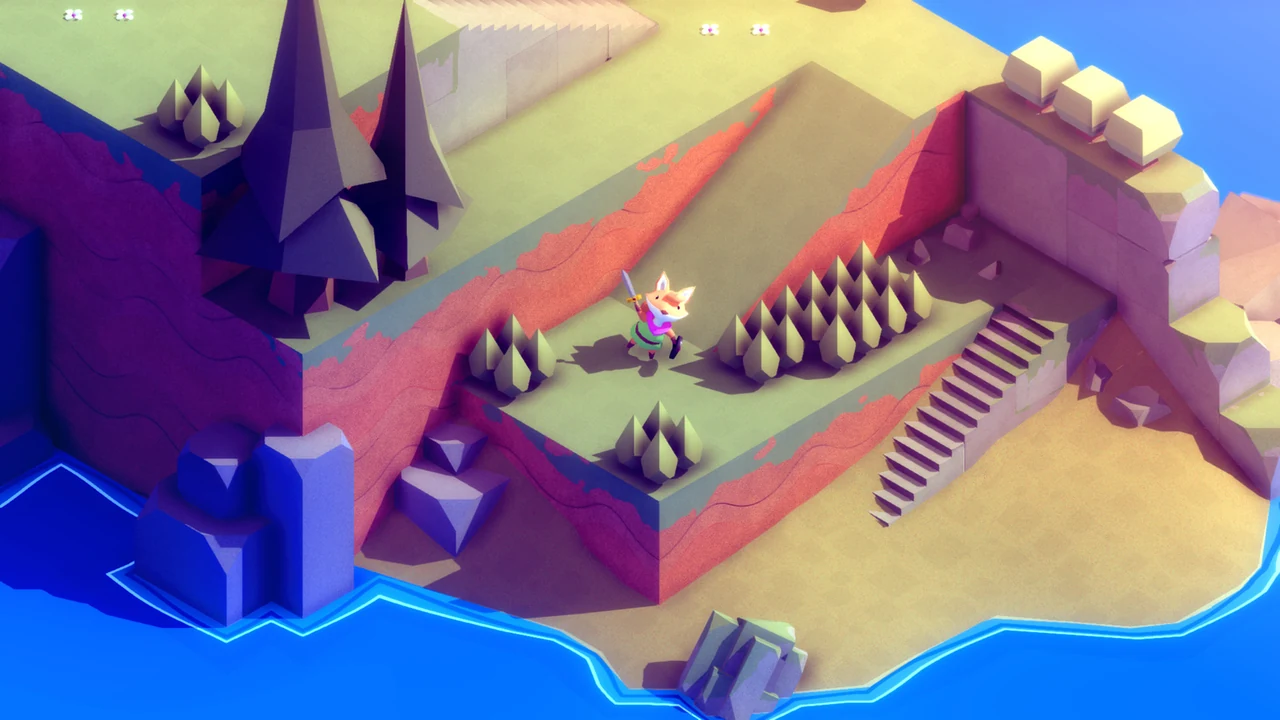
See the game
Assist & accessibility
Explore the available settings and control options on the official game page before choosing your setup.
Parents’ guide
Players: Single-player. Check the current Steam listing for the game, available editions and separately sold downloadable content.
Age classification: 7. Nintendo Switch download edition edition; not a separate PC classification
Official sources
Reviewed: November 2026
You might also like
 Sekiro: Shadows Die Twice - GOTY EditionRead review →
 CelesteRead review →
 SifuRead review →